
If you’ve ever been intimidated by roundabouts, you’re not alone. These circular intersections can be confusing to navigate, especially if you’re unfamiliar with the basic rules and procedures. However, with a bit of knowledge and practice, you can learn to navigate roundabouts safely and confidently. In this article, we’ll share five tips and tricks for navigating roundabouts, from slowing down before entering to watching out for pedestrians and cyclists.
First and foremost, it’s important to understand the basic rules of roundabouts. Roundabouts are designed to keep traffic flowing smoothly and safely, and they operate differently from traditional intersections. In a roundabout, traffic flows in a counterclockwise direction around a central island, and vehicles entering the roundabout must yield to those already inside. By following these basic rules, you can avoid confusion and potential accidents in the roundabout.
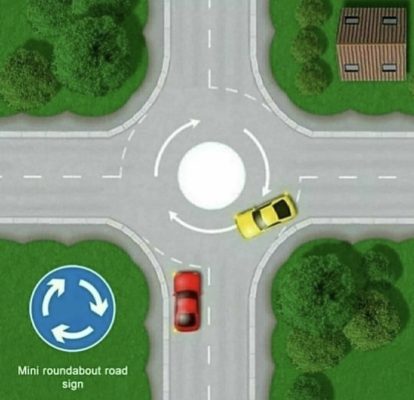
So, let’s dive in and explore these tips in more detail.
1 Understand the Basic Rules of Roundabouts
Before you enter a roundabout, it’s essential to understand the basic rules – it’ll make your driving experience a whole lot smoother!
First and foremost, always yield to traffic already in the roundabout. This means that if there’s a car already inside, you should wait until it clears before entering yourself.
Keep in mind that the traffic flow in a roundabout is counterclockwise, so you must always turn left to enter and go around.
Another important rule is to always stay in your lane and avoid changing lanes inside the roundabout. This means that you should choose your lane based on your intended exit and stick to it until you’re out of the roundabout.
Additionally, never stop inside the roundabout – keep moving until you reach your intended exit. Remember, roundabouts are designed to keep traffic flowing smoothly, and stopping unnecessarily can cause confusion and delays for other drivers.
2 Slow Down Before Entering the Roundabout
You don’t want to risk a collision, so ease up on the gas and take it slow as you approach the roundabout. Remember that roundabouts are designed to slow down traffic, so it’s important to reduce your speed as you approach. The recommended speed limit for most roundabouts is around 15 to 20 miles per hour.
As you approach the roundabout, look for signs that indicate the proper lane to take. Check your mirrors and signal your intention to turn. Once you’ve determined which lane to take, continue to slow down and yield to any traffic already in the roundabout.
Remember, the traffic in the roundabout has the right of way, so wait for a gap in traffic before entering. By slowing down and being cautious, you can safely navigate the roundabout and avoid any potential collisions
3 Keep a Safe Distance from Other Vehicles
Make sure to keep a good amount of space between you and the vehicle in front of you as you drive through the roundabout, allowing for a smooth flow of traffic and preventing any potential collisions. This is especially important in roundabouts with multiple lanes.
Here are some tips to help you maintain a safe distance:
- Keep an eye on the vehicle in front of you and make sure you can see their wheels. This’ll give you an idea of whether they’re slowing down or accelerating.
- If the vehicle in front of you is slowing down or stopped, leave at least one car length between you and them. This will give you enough space to maneuver around them if necessary.
- If you’re in the outer lane and a vehicle in the inner lane is turning right, make sure to give them plenty of space. They may need to swing out to the left before turning, and you don’t want to be in their way.
By keeping a safe distance from other vehicles, you can avoid sudden stops and starts that can disrupt the flow of traffic and cause accidents. Remember to always be aware of your surroundings and adjust your speed and position accordingly.
In addition to maintaining distance from other vehicles, it’s also important to be aware of pedestrians and cyclists in and around the roundabout. They may be crossing the road or using the bike lane, so make sure to give them plenty of space and yield to them when necessary. By being considerate and cautious, you can help ensure the safety of everyone on the road.
4 Watch for Pedestrians and Bicyclists
Be mindful of pedestrians and bicyclists in the roundabout, as their safety is just as important as yours. Remember, roundabouts are designed to slow down traffic and make it easier for pedestrians and bicyclists to cross the road. However, just because there are designated crosswalks in the roundabout doesn’t mean that pedestrians and bicyclists are always safe.
Always be on the lookout for pedestrians and bicyclists when entering and exiting the roundabout, and yield to them if necessary. Keep in mind that pedestrians and bicyclists may be coming from different directions, so it’s important to stay alert and pay attention to your surroundings.
Additionally, make sure to use your turn signals to indicate your intentions, especially if you’re turning right and crossing a designated bike lane. By being aware of your surroundings and following the rules of the road, you can help ensure the safety of both yourself and others in the roundabout.
5 Look for Signs and Road Markings
As you approach a roundabout, take a moment to scan for signs and road markings to ensure you’re entering the correct lane and following the flow of traffic. Here are some tips to help you navigate roundabouts safely:
- Look for directional arrows on the road surface. These arrows indicate which lane you should be in based on your intended direction of travel.
- Check for yield signs. These signs remind you to yield to traffic already in the roundabout.
- Keep an eye out for pedestrian crossings. These crossings are usually marked with zebra stripes and require you to yield to pedestrians.
- Look for any additional signs that may indicate specific rules or restrictions for the roundabout, such as speed limits or lane changes.

By paying attention to signs and road markings, you can better understand the traffic flow and make safe decisions while navigating a roundabout. Remember to always yield to other vehicles and pedestrians, and to signal your intentions before entering or exiting the roundabout.
